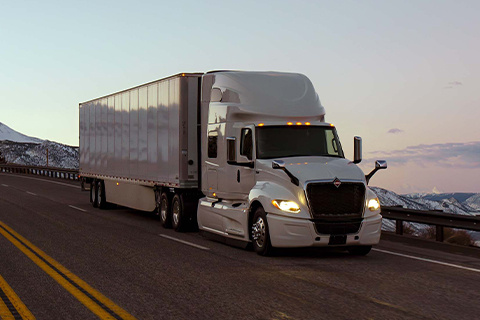
International Trucks: The Actual Focus, Not Women's Day Museums
In the vast landscape of global commerce and industry, the term "International" can evoke a myriad of images. From international relations to global trade, its scope is broad. However, when we delve into the realm of heavy-duty vehicles and commercial transportation, "International" immediately points to a powerful and enduring legacy: International Trucks. This article aims to clarify the true focus of this industrial titan, addressing any potential confusion with other topics such as
international women's day museums, which, despite a similar use of the word "international," exist in an entirely different sphere.
The distinction is crucial for businesses, logistics professionals, and anyone interested in the backbone of global supply chains. While celebratory and cultural events like those surrounding International Women's Day play an invaluable role in society, the company known as International, now part of the Traton Group (Volkswagen AG's heavy truck division), is synonymous with robust engineering, reliable transportation, and driving economic progress across continents. Our journey here is to explore the profound impact and offerings of International Trucks, a brand that has shaped roads and industries for over a century.
A Legacy Forged in Steel: The History and Evolution of International Trucks
The story of International Trucks begins with a rich heritage tracing back to the 19th century. Initially known as International Harvester, the company built a formidable reputation in agricultural machinery before expanding into trucks and other heavy equipment. This foundational period instilled a deep understanding of durability, power, and the demanding needs of working industries – principles that continue to define International vehicles today.
Over the decades, International Harvester's truck division evolved into a standalone powerhouse, eventually becoming Navistar International Corporation. This transition marked a dedicated focus on commercial vehicles, leading to continuous innovation in design, manufacturing, and service. Today, as part of the Traton Group, International Trucks leverages global resources and cutting-edge technology, reinforcing its position as a leader in the North American and global commercial vehicle markets. Its influence spans medium-duty to heavy-duty trucks, school buses, and vocational vehicles, each designed to meet the rigorous demands of various sectors. The company’s extensive dealer network, for instance, mentioned in sources about International® distributors, is a testament to its widespread reach and commitment to customer support, ensuring that wherever there's a need for powerful transportation, there's an International solution.
More Than Just Vehicles: The International Trucks Ecosystem
International Trucks' commitment goes far beyond simply manufacturing vehicles. It encompasses a comprehensive ecosystem designed to support businesses through every stage of their operations.
-
Diverse Product Portfolio: International offers a wide array of trucks tailored for specific applications.
- Heavy-Duty Trucks: These beasts of burden, like the HX™ series or the Lonestar®, are engineered for demanding tasks such as long-haul freight, heavy construction, and severe-duty vocational work. They prioritize power, payload capacity, and driver comfort for extended periods on the road.
- Medium-Duty Trucks: Models like the MV™ series excel in urban delivery, utility services, and local distribution, balancing maneuverability with significant hauling capabilities.
- Vocational Trucks: International's specialized vehicles serve industries ranging from refuse collection and public safety to agriculture and energy.
- Buses: Through its IC Bus division, International is a leading manufacturer of school buses and commercial buses, prioritizing safety, reliability, and efficient transport for passengers.
-
Cutting-Edge Technology: Innovation is at the heart of International's offerings. This includes advanced engine technologies, such as the International A26, designed for optimal fuel efficiency and performance. Furthermore, telematics and connectivity solutions provide fleet managers with real-time data for improved operational efficiency, predictive maintenance, and enhanced safety. The integration of advanced driver-assistance systems (ADAS) and a clear pathway towards electric and autonomous vehicle solutions underscore their commitment to future-proofing transportation.
-
Comprehensive Services and Support: A truck is only as good as the support behind it. International's robust service network provides:
- Parts & Service: With a vast network of authorized dealers and service centers, maintenance and genuine parts are readily available, minimizing downtime.
- Fleet Management Solutions: Tools and expertise to optimize fleet performance, reduce operating costs, and ensure regulatory compliance.
- Financing: Tailored financial services help businesses acquire the vehicles they need without prohibitive upfront costs.
- Training: Programs for drivers and technicians ensure optimal vehicle operation and maintenance.
This holistic approach ensures that customers not only purchase a vehicle but also gain a partner dedicated to their operational success.
Driving Economic Progress: The Indispensable Role of International Trucks
The contributions of International Trucks extend far beyond the showroom floor. Their vehicles are the workhorses of the global economy, facilitating the movement of goods, people, and services that underpin modern society.
Think of the vast networks of logistics and supply chains: International trucks are pivotal in transporting everything from raw materials to finished products, connecting manufacturers to markets and consumers. In the construction industry, their heavy-duty vehicles move essential equipment and materials, literally building the infrastructure of our world. Emergency services, utility companies, and agricultural enterprises also rely heavily on the specialized capabilities of International trucks to perform critical tasks daily.
This economic impact translates into countless jobs, from manufacturing and sales to maintenance and driving. International Trucks plays a vital role in ensuring resilience and efficiency in supply chains, making it an indispensable component of national and international economies. It's a focus on tangible, industrial output that clearly differentiates it from discussions about specific cultural events or institutions, such as
international women's day museums.
Clarifying the Context: "International" in the World of Commerce
It's important to understand that the word "international" itself is broad and can lead to various interpretations. However, within specific industry contexts, its meaning becomes precise. In the realm of commercial vehicles, heavy machinery, and industrial equipment, "International" refers unequivocally to the truck manufacturer. When searching for information related to "International" in this context, the expectation is to find details about their vehicles, technology, services, and impact on transportation.
This is why, as highlighted in the reference contexts, any search for "international women's day museums" within resources dedicated to International Trucks would yield no results. The content of International Trucks' websites, distributor information, and corporate communications is entirely dedicated to their core business: trucks, buses, and related services. While both topics are valid and important in their own rights, they occupy completely different conceptual spaces. For clarity, it's always beneficial to add specificity to your search queries, whether you're looking for historical automotive information or details on cultural institutions.
Tips for Leveraging International Trucks in Your Business
For businesses considering International Trucks for their fleet, here are some practical tips:
- Assess Your Needs Thoroughly: Understand your specific operational requirements, including payload capacity, route types, fuel efficiency targets, and driver comfort needs, to select the most appropriate International model.
- Engage with Your Local Dealer: International's extensive dealer network offers invaluable expertise. Dealers can provide insights into vehicle specifications, maintenance schedules, financing options, and local service support.
- Prioritize Total Cost of Ownership (TCO): Look beyond the initial purchase price. Consider fuel efficiency, maintenance costs, resale value, and available service packages when evaluating an International truck.
- Embrace Technology: Utilize International's telematics and fleet management solutions to optimize performance, monitor vehicle health, and enhance operational efficiency.
- Plan for Uptime: Understand the available service and parts support to minimize downtime and keep your fleet running smoothly. Regular preventative maintenance is key.
By strategically integrating International Trucks into your operations, businesses can enhance efficiency, reliability, and ultimately, profitability.
Conclusion
In summary, International Trucks stands as a pillar of the global transportation industry, renowned for its heritage of innovation, robust product line, and comprehensive customer support. Its enduring focus remains squarely on designing, manufacturing, and servicing commercial vehicles that power economies and move the world. While the word "international" might be used in diverse contexts, in the industrial and commercial vehicle landscape, it singularly refers to this formidable truck manufacturer, a key player in shaping the infrastructure and logistics that define modern life. Its legacy and future are firmly rooted in the roads and industries it serves, a world apart from the important but distinct cultural significance of international women's day museums.